Understanding Natural Elements for Male Vitality and Skincare Beyond 40
A comprehensive educational resource exploring botanical allies, essential nutrients, and lifestyle approaches to support overall well-being and skin health for men entering their mature years.
The Foundations of Male Well-being
As men progress into their later years, understanding the pillars of sustained health becomes essential. True vitality is built on three interconnected foundations: nourishment through thoughtful nutrition, purposeful movement through physical activity, and restorative rest through quality sleep and stress management.
These elements work synergistically. A balanced diet provides the nutrients your body needs, regular movement maintains strength and circulation, and adequate rest supports recovery and mental clarity. Together, they create the framework upon which all other health practices rest.

Exploring Botanical Allies
For centuries, cultures around the world have recognized certain plants and herbs as valuable allies in supporting general health. These botanical allies contain compounds that have been studied for their potential to support various aspects of well-being. Understanding their traditional uses and modern research context helps us appreciate their role in a holistic approach to health.

Herbal Traditions
Explore the historical and cultural significance of herbs like ginseng, ashwagandha, and ginger across different civilizations. These plants have been used for thousands of years to support energy, resilience, and overall vitality in traditional medicine systems.

Adaptogenic Plants
Certain plants are known as adaptogens because they may help the body adapt to stress and maintain balance. These botanical resources have been the focus of traditional practices and ongoing research into how they support resilience and well-being.
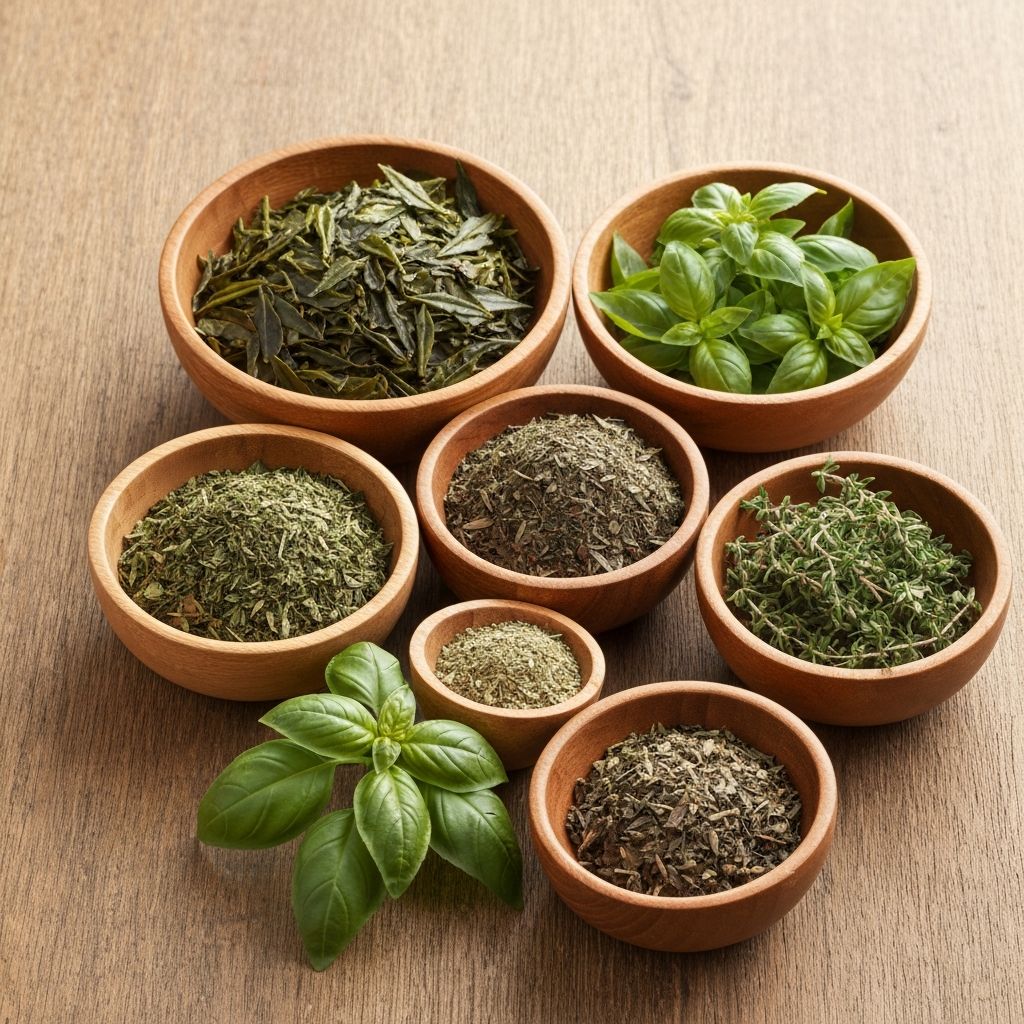
Nutritional Compounds
Many plants contain beneficial compounds like polyphenols, alkaloids, and minerals. Learning about what these plants offer helps us understand how they may contribute to general health and how they fit into a comprehensive wellness approach.

Essential Nutrients for Men Post-40
The nutritional needs of men shift with age. After 40, certain vitamins and minerals become increasingly important for maintaining physical function, bone density, and cognitive health. Understanding these nutritional priorities helps inform dietary choices.
Key vitamins and minerals include:
- Magnesium - supports muscle function and stress response
- Zinc - plays roles in immune function and various metabolic processes
- Vitamin D - crucial for bone health and immune support
- B vitamins - support energy metabolism and nervous system health
- Selenium - acts as an antioxidant in the body
- Iron - continues to play a role in oxygen transport
These nutrients work best when obtained through a varied, whole-food diet rich in vegetables, fruits, nuts, seeds, and whole grains.
Natural Skincare Principles
Men's skin undergoes changes with age, experiencing increased dryness, loss of elasticity, and vulnerability to environmental stressors. A natural approach to skincare focuses on fundamental principles: cleansing, hydration, and protection from external factors.
Core skincare fundamentals:
- Hydration - maintaining water balance in the skin is essential
- Protection - shielding skin from UV damage and environmental pollution
- Nourishment - supporting the skin with natural compounds and oils
- Consistency - regular care routines yield better results than sporadic treatment
Natural ingredients like plant oils, botanical extracts, and hydrating compounds can support skin health when combined with a consistent routine and healthy lifestyle habits.

The Role of Lifestyle in Vitality
Nutritional support and botanical knowledge are important, but they exist within the broader context of lifestyle. Two factors particularly influence overall vitality: the management of stress and the quality of sleep. Together with nutrition and movement, these create the foundation of sustained well-being.
Stress Management and Resilience
Chronic stress impacts the body at a cellular level, influencing inflammation, sleep quality, and energy levels. Effective stress management—through practices like meditation, time in nature, creative pursuits, or social connection—is not a luxury but a necessity for maintaining vitality.
The body's stress response system, when constantly activated, depletes energy and reduces the effectiveness of the immune system. Learning to recognize stress triggers and implementing sustainable calming practices supports both immediate well-being and long-term health resilience.
Sleep Quality and Recovery
Sleep is when the body performs critical repair and restoration functions. Quality sleep supports immune function, metabolic health, cognitive clarity, and emotional resilience. Men over 40 may experience changes in sleep patterns, making intentional sleep hygiene increasingly important.
Supporting natural sleep involves consistent sleep schedules, a cool sleeping environment, reduced screen time before bed, and limiting stimulating substances in the evening. When sleep is prioritized, the body's natural recovery processes work more effectively.
Understanding Adaptogens
The term "adaptogen" refers to plants that may help the body adapt to stress and maintain physiological balance. While traditionally used in Eastern medicine systems for centuries, adaptogens have increasingly become the subject of modern scientific inquiry.
What Are Adaptogens?
Adaptogens are plants that contain compounds believed to help normalize bodily functions and increase resistance to stress. Unlike stimulants that "push" the body, adaptogens are thought to work with the body's natural systems to maintain equilibrium.
Common adaptogenic plants include:
- Ginseng - traditionally used for energy and stamina
- Ashwagandha - explored for stress and sleep support
- Rhodiola - researched for fatigue and mental clarity
- Schisandra - used traditionally for vitality and endurance

Hydration and Its Importance
Water is the most fundamental nutrient. Every cell in the body depends on proper hydration for function. Yet as men age, the sensation of thirst may decrease, making intentional hydration increasingly important.
Hydration and Physiological Function
Water supports virtually every bodily process: nutrient transport, temperature regulation, joint lubrication, cognitive function, and waste elimination. Chronic mild dehydration can manifest as fatigue, reduced mental clarity, joint stiffness, and diminished physical performance.
For men over 40, consistent hydration throughout the day—particularly with increased physical activity or in warmer climates—becomes a cornerstone of maintaining vitality. The general guideline of 8 glasses daily is a starting point; individual needs vary based on activity level, climate, and overall health.

Beyond Nutrition: Physical Activity
While nutrition provides the building blocks, physical activity is what keeps the body's systems functioning optimally. Movement—especially regular, varied movement—becomes increasingly important for maintaining strength, flexibility, bone density, cardiovascular health, and mental well-being.
Effective movement for men over 40 typically includes a combination of:
- Cardiovascular activity - walking, cycling, swimming
- Resistance training - maintaining and building muscle mass
- Flexibility work - yoga, stretching, tai chi
- Functional movement - activities that support daily life activities
The key is consistency and enjoyment—activities that can be sustained long-term are more valuable than intense efforts done sporadically.
Mindfulness and Mental Well-being
The Mind-Body Connection
Mental clarity and emotional resilience are inseparable from physical health. Mindfulness—the practice of present-moment awareness—has been extensively researched for its effects on stress reduction, immune function, and overall well-being.
Regular mindfulness practice, whether through meditation, conscious breathing, time in nature, or other contemplative activities, helps regulate the nervous system and supports the body's natural healing processes. This mental-emotional wellness contributes directly to physical vitality.

Dispelling Myths About Natural Approaches
As interest in natural wellness grows, so do misconceptions. It's important to distinguish between evidence-based understanding and unsupported claims.
Common Misunderstandings
Myth: Natural automatically means safe and effective. Natural doesn't inherently mean anything. Many substances are natural but inactive or harmful. Effectiveness requires scientific evidence, not just traditional use.
Myth: If some is good, more is better. Nutrients and botanical compounds work within optimal ranges. Excessive amounts can be ineffective or problematic. Balance and appropriate dosage matter.
Myth: Natural approaches can replace lifestyle fundamentals. No supplement or herb can compensate for poor sleep, chronic stress, sedentary behavior, or a nutrition-poor diet. These fundamentals must come first.
Myth: Results come quickly. Sustainable health changes typically develop gradually. Real, lasting improvements in energy, appearance, and well-being come from consistent practice over weeks and months, not days.
The History of Natural Wellness
Understanding the historical context of natural wellness practices helps us appreciate their place in modern health. For millennia, humans have observed nature and extracted knowledge about plants, movement, rest, and the interconnection of mind and body.
Ancient to Modern Understanding
Traditional medicine systems—including Ayurveda from India, Traditional Chinese Medicine, European herbalism, and Indigenous practices—developed sophisticated understandings of how plants, movement, and lifestyle support health. These weren't haphazard; they were systematic observations refined over centuries.
Modern science now investigates these traditional approaches with rigorous methodology, confirming some practices while explaining their mechanisms. The value of historical knowledge combined with contemporary research creates a more complete understanding than either approach alone.
Environmental Factors and Health
While individual choices about nutrition and activity are important, the environment shapes our health at every level. Air quality, access to natural spaces, light exposure, community connections, and living conditions all influence well-being.
Creating Supportive Environments
Optimal health emerges not just from individual effort but from environments that support healthy choices. Access to fresh food, safe spaces for movement, connections with nature, community engagement, and stress-reducing environments all contribute to sustained vitality.
While not everything in one's environment is under personal control, awareness of these factors helps identify what can be optimized—whether that's seeking green spaces, managing home lighting, building supportive relationships, or reducing unnecessary stressors.
Future Perspectives in Natural Health
The field of natural health and wellness continues to evolve. Ongoing research explores how botanical compounds work at cellular levels, how lifestyle factors influence gene expression, and how various approaches can be integrated into evidence-based frameworks.
Emerging Areas of Understanding
Scientists increasingly investigate the microbiome—the community of microorganisms in our digestive system—and its profound influence on immunity, mood, and overall health. Research continues into how various plants and dietary components influence this microbial ecosystem.
Additionally, the emerging field of epigenetics shows that lifestyle choices influence which genes are expressed, suggesting that our actions have more influence on our biology than previously understood. This reinforces the importance of consistent, evidence-based lifestyle practices.
Continue Your Exploration
This knowledge hub presents educational information about natural elements and lifestyle approaches relevant to male health and vitality. Explore specific topics, visit our FAQ section for common questions, or discover dedicated content in our For Men section.
Explore for MenLimitations and Context
The information on this site is educational in nature. It explains concepts, presents historical and cultural context, and discusses general principles of natural wellness. This content:
- Does not provide individual recommendations
- Does not replace professional medical advice
- Represents general information, not personalized guidance
- Reflects varied approaches; what works varies by individual
For specific health concerns or before making significant dietary or lifestyle changes, consultation with qualified healthcare professionals is appropriate.